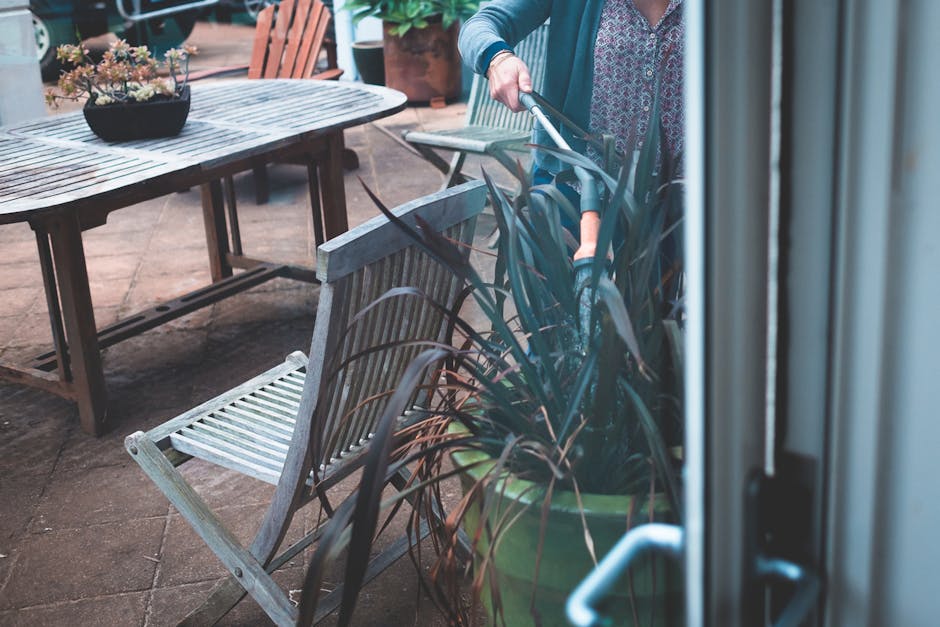
Highbury Fields Garden Maintenance Guide for Terraced Homes
If you live in a terraced home near Highbury Fields, you already know the garden can be a real luxury. Small, yes. Manageable, usually. But also easy to neglect when bins, bikes, shade, privacy, and that awkward strip of paving all start competing for attention. This Highbury Fields garden maintenance guide for terraced homes is designed to help you keep a compact outdoor space tidy, healthy, and genuinely enjoyable without turning it into a second job.
The trick with terraced gardens is not doing everything. It is doing the right things at the right time. A little structure goes a long way, especially in London where space is tight, neighbouring boundaries matter, and a garden often has to work harder than the square footage suggests. Let's walk through what matters, what to avoid, and how to make maintenance feel far less like a chore.
Table of Contents
- Why Highbury Fields garden maintenance guide for terraced homes Matters
- How Highbury Fields garden maintenance guide for terraced homes Works
- Key Benefits and Practical Advantages
- Who This Is For and When It Makes Sense
- Step-by-Step Guidance
- Expert Tips for Better Results
- Common Mistakes to Avoid
- Tools, Resources and Recommendations
- Law, Compliance, Standards, or Best Practice
- Options, Methods, or Comparison Table
- Case Study or Real-World Example
- Practical Checklist
- Conclusion
- Frequently Asked Questions
Why Highbury Fields garden maintenance guide for terraced homes Matters
Terraced homes around Highbury Fields often come with front gardens, rear courtyards, small lawned areas, paved yards, or a mix of all three. That sounds simple until you live with one for a year. Then you notice the creeping weeds in the grout, the hedge that suddenly feels too tall, the patchy lawn, and the way a single untamed climber can make the whole place look forgotten.
Good maintenance matters because compact gardens show everything. A little neglect becomes obvious quickly. But the reverse is also true: a modest amount of attention can make a tiny space feel calm, neat, and surprisingly generous. That is especially useful in a place like Highbury Fields, where outdoor space is often both a lifestyle feature and a visual extension of the home.
There is also a practical side. Regular upkeep helps prevent damage to paving, timber edging, fences, and planting beds. It can reduce slippery surfaces, keep drainage clearer, and stop plants from blocking paths or brushing against brickwork. To be fair, a terraced garden that looks effortless usually has some thoughtful routine behind it.
Expert summary: In a terraced home, maintenance is less about grand garden makeovers and more about rhythm. Light, regular attention keeps the space safe, presentable, and easier to enjoy all year.
How Highbury Fields garden maintenance guide for terraced homes Works
The maintenance approach for a terraced garden is different from a larger suburban plot. You are often working with narrow access, less storage, shared boundaries, and a strong need to balance beauty with practicality. In practice, that means breaking the space into small zones and maintaining each one according to its needs.
A good routine usually covers these core tasks:
- keeping paths, steps, and paving clear of moss, leaves, and debris
- trimming hedges, climbers, and shrubs before they crowd the space
- deadheading flowers and removing spent growth
- checking soil condition and refreshing mulch or compost where needed
- managing lawn edges, borders, and small patches of turf
- keeping drainage points open and unclogged
- watching for plant stress caused by shade, heat, or dry spells
If the garden is highly visible from the street, front-of-house presentation matters too. A clipped hedge, swept paving, and well-chosen planters can change the whole feel of the property. On the other hand, if your garden is mainly private, maintenance can focus more on comfort, usability, and long-term plant health.
Many terraced gardens also benefit from seasonal planning rather than one-off tidying. In spring, growth accelerates. In summer, watering becomes more relevant. By autumn, leaf fall and cutting back take over. Winter, meanwhile, is often about protection, drainage, and preventing damage while plants are dormant. Nothing glamorous, but very effective.
Key Benefits and Practical Advantages
There is a reason tidy small gardens feel so good. They are easier to use. Easier to keep under control. And, honestly, much less likely to nag at you from the kitchen window every time you make tea.
A tidier home frontage
For terraced homes, the garden is often part of the first impression. Neat lines, clean paving, and healthy planting give the whole house a more cared-for look. This can be especially valuable if the space sits close to the pavement or forms the entry point to the property.
Better plant health
Regular pruning, feeding, and soil care help plants stay vigorous. In small gardens, plants compete closely for light and water, so maintenance has a direct effect on how well they perform. Left alone too long, one strong plant can dominate everything else. Happens all the time.
Safer, more usable outdoor space
Terraced gardens can become awkward fast if moss builds up on steps or tools are left lying around. Keeping surfaces clear and borders controlled makes the space safer for children, guests, deliveries, and everyday use. It also means you can actually walk through the garden without doing a little hop-skip around the flowerbed.
Less long-term repair work
Small issues often get expensive because they spread. Overgrown climbers can strain fences. Blocked drains can cause damp patches. Poor soil drainage can stress roots. Routine care is usually cheaper and simpler than fixing avoidable damage later.
More control over privacy and light
This is a big one in terraced settings. The right pruning schedule can keep privacy without swallowing the light. It is a balancing act, sure, but a manageable one. That balance is often what makes a small city garden feel comfortable rather than boxed in.
Who This Is For and When It Makes Sense
This guide is useful for homeowners, landlords, tenants with garden responsibilities, and anyone managing a compact outdoor area around Highbury Fields. It is especially relevant if your garden is attached to a terrace, split across narrow levels, or shared visually with neighbouring properties.
You may need a more structured maintenance plan if:
- your garden has fast-growing shrubs or climbers
- you struggle to keep on top of weeding and pruning
- the space receives a mix of shade and sunlight
- paving or decking has become slippery
- you want the garden to look presentable with minimal effort
- you are preparing a property for sale, rent, or seasonal use
It also makes sense if you simply want the outdoors to feel easier. Some people enjoy gardening but not the repetitive bits. Fair enough. Others want support with clearing, cutting, and keeping things orderly without learning every plant name. Both are valid.
If you are deciding between doing it yourself and getting help, the main question is not "Can I do it?" It is "Will I keep it up?" That is the more honest one.
Step-by-Step Guidance
The following approach works well for most terraced gardens in Highbury Fields. You can scale it up or down depending on size, planting style, and how much time you realistically have. There is no medal for making it more complicated than it needs to be.
1. Start with a full visual sweep
Walk the garden slowly. Look at what is actually happening, not what you think should be happening. Check for overgrowth, blocked corners, weeds, broken stems, leaning containers, and any patch where water tends to sit. Take note of what feels off. That first walk often tells you more than a checklist does.
2. Clear the obvious clutter
Remove leaves, fallen petals, dead branches, and anything that does not belong there. In terraced gardens, clutter has a habit of making the whole place feel smaller. Clearing the surface improves appearance immediately and helps you see the real maintenance priorities.
3. Tackle weeds before they settle in
Weeds are easier to manage when they are small. If your garden has paving joints, gravel, or border edges, make sure these are checked regularly. A tiny weed in the wrong place can become a nuisance very quickly. No drama, just reality.
4. Prune with purpose
Pruning should improve shape, airflow, and access. In small gardens, the aim is not just neatness. It is to stop plants from becoming bulky or tangled. Cut back anything that blocks paths, crowds windows, or hangs too far over boundaries. For flowering shrubs, timing matters, so avoid heavy pruning at the wrong point in the season.
5. Refresh the soil and mulch
Terraced gardens often have compacted or tired soil, especially if planting space is limited. Add compost where needed and top up mulch to help retain moisture and suppress weeds. This is one of those quiet jobs that pays off more than it looks like it should.
6. Check drainage and watering
Because terraced gardens can be narrow and partly enclosed, drainage issues sometimes hide until the wrong week arrives. Make sure water is not pooling around pots or low spots. In dry weather, container plants may need more frequent watering than you expect, especially against brick walls or in sheltered corners.
7. Finish with edging and surface care
Clean lines matter. Trim grass edges, sweep paving, and straighten pots. Even a small courtyard looks sharper when the edges are crisp. That final pass is often the difference between "tidied" and "properly maintained."
A simple monthly rhythm
- Week 1: inspect, weed, and clear debris
- Week 2: prune and shape growing plants
- Week 3: check soil, water, and drainage
- Week 4: sweep, edge, and reset the space
Keep it repeatable. That is the whole point.
Expert Tips for Better Results
Small gardens reward small decisions. The details matter more than they do in larger spaces, because every plant and surface is doing visible work.
Choose plants that behave well in tight spaces
In terraced homes, planting should suit the scale of the garden. Compact shrubs, shallow-rooting perennials, climbers with training support, and containers with seasonal colour are usually easier to live with than sprawling plants that quickly outgrow the space.
Use containers to control flexibility
One of the best tricks in small garden maintenance is mobility. Pots let you adjust layout, replace tired planting, and change the mood without reworking the whole space. They are also helpful where soil quality is poor or access is awkward.
Train climbers early
Climbers can make a terraced garden feel lush without taking up ground space, but only if they are trained before they get wild. Use supports early and keep growth tied in neatly. If you wait too long, you end up wrestling a plant that thinks it owns the wall.
Protect the light
Shady terraced gardens can feel beautiful, but they can also become dull if every plant is allowed to bulk up. Keep taller growth under control and avoid dark, dense planting everywhere. A brighter garden often feels larger and more inviting.
Think in layers, not clutter
Layered planting works better than cramming everything into one level. For example, you might combine low ground-level planting, mid-height shrubs, and one or two vertical features. That gives structure without the messy look that small gardens can fall into fast.
Practical note: if your front garden is exposed to foot traffic or visible from the street, choose materials and plants that can handle regular contact. There is no point in using fragile planting right beside a narrow path. It will annoy you. Trust me.
Common Mistakes to Avoid
Most terraced garden problems are not caused by one huge mistake. They build up from smaller ones. The good news is that these are usually easy to correct once you know what to look for.
Letting the garden become overplanted
It is tempting to fill every gap. In a small space, though, too many plants can quickly create crowding, reduce airflow, and make routine care awkward. Leave some breathing room.
Ignoring boundaries and edges
Hedges, fences, and walls matter more in terraced homes because they frame everything. When these edges are overgrown, the whole garden feels untidy, even if the central planting is fine.
Only doing a big tidy-up once or twice a year
That approach often works badly in small urban gardens. By the time you get around to it, weeds have rooted, stems have hardened, and the job takes far longer. Light, regular maintenance is much easier.
Forgetting the hard landscaping
Paving, steps, gravel, and decking need care too. A garden can look "green" and still feel neglected if surfaces are stained, slippery, or covered in debris.
Using the wrong pruning timing
Some plants can be cut back in a fairly flexible way, others cannot. If you prune too hard at the wrong time, you may remove flowers or stress the plant. A cautious approach is usually safer unless you know the species well.
Skipping safety checks
Loose slabs, broken tools, unstable planters, and unstable ladder use are easy to overlook. In small gardens, everything is close together, so care and attention matter more than people think.
Tools, Resources and Recommendations
You do not need a shed full of equipment to maintain a terraced garden properly. A few reliable tools will cover most jobs.
| Tool | Best for | Why it helps in a terraced garden |
|---|---|---|
| Hand trowel | Planting and weeding | Useful where access is tight and beds are small |
| Bypass secateurs | Pruning stems and deadheading | Cleaner cuts, easier control in compact spaces |
| Stiff broom | Cleaning paving and steps | Quickly improves the look of courtyards and front paths |
| Watering can or hose with gentle spray | Watering containers and borders | Better precision where roots and surfaces are close together |
| Garden gloves | General maintenance | Protects hands from thorns, grit, and rough edges |
| Spade or border fork | Soil improvement and lifting plants | Helps with compact beds and controlled digging |
Alongside tools, it helps to keep a few supplies on hand: compost, mulch, string ties, and maybe a simple plant feed suited to the season. If you are using containers, check drainage holes are clear. More plants fail from poor drainage than from lack of enthusiasm, which is saying something.
If you prefer a managed service, it is sensible to review the provider's garden services overview and their approach to recycling and sustainability. Those pages can help you understand what is included and how green waste is handled. For broader trust and operational details, their insurance and safety information and health and safety policy are also worth reading.
Law, Compliance, Standards, or Best Practice
Garden maintenance in a terraced home is not usually complicated from a legal point of view, but there are still sensible standards to follow. The main issues are property boundaries, safe working practices, responsible waste handling, and being considerate of neighbours. In tight residential streets, good manners and good maintenance go hand in hand.
If you are hiring help, it is reasonable to ask about insurance, safety procedures, and what happens if access is limited or something is damaged. You should also understand the service terms before any work begins. A straightforward terms and conditions page should explain expectations, and a clear pricing and quotes page should make costs easier to compare.
Waste disposal matters too. Green waste, soil, and old plant material should be handled responsibly and in line with normal local practice. If you want to know how a provider approaches this, the recycling and sustainability page is a sensible place to start.
For bookings, payments, and contact details, use the official contact page rather than informal messages or assumptions. Small admin detail, but it saves headaches.
Options, Methods, or Comparison Table
There is no single right way to maintain a terraced garden. The best method depends on time, budget, and how much control you want. Here is a simple comparison that may help.
| Approach | Best for | Pros | Trade-offs |
|---|---|---|---|
| DIY weekly upkeep | Hands-on homeowners with time | Low cost, flexible, personal control | Easy to fall behind if life gets busy |
| Monthly professional visit | Busy households or rental properties | Regular reset, less stress, better consistency | Less day-to-day control |
| Seasonal deep maintenance | Gardens that mostly stay tidy | Useful for bigger cutbacks and refreshes | Can leave small issues building between visits |
| Hybrid approach | Owners who do light jobs themselves | Balanced cost and upkeep | Requires a clear plan so nothing gets missed |
For many terraced homes, a hybrid approach works best. You handle the quick jobs, and a professional steps in for pruning, reset work, or more technical tasks. That way the garden never gets away from you. Simple, really.
Case Study or Real-World Example
Imagine a narrow rear garden behind a Victorian terrace near Highbury Fields. It has a paved seating area, two large containers, a small raised bed, and a climber running along the back fence. At first glance it looks easy enough to manage. Then spring arrives, the climber pushes harder, the paving picks up algae in shaded spots, and the containers dry out faster than expected.
The owner starts with a practical reset. First, the paving is swept and scrubbed, then the climber is tied in and lightly cut back to keep shape without losing its character. The containers are refreshed with new compost, the dead stems are removed from the raised bed, and a layer of mulch is added to hold moisture. The result is not dramatic in a flashy sense, but the garden feels calmer, bigger, and far easier to use.
What changed? Not much, visually. But maintenance changed the experience of the space. A chair could be pulled out without snagging on overgrowth. The path felt safer after rain. And the plants, because they were not fighting each other, actually looked healthier by midsummer. That is the kind of result terraced gardens respond to best.
Practical Checklist
Use this checklist to keep your terraced garden on track through the year.
- Check paths, steps, and paving for moss, algae, or debris
- Remove weeds from borders, gravel, and paving joints
- Trim back overgrown shrubs and climbers
- Deadhead flowers and remove damaged leaves
- Water containers and newly planted areas as needed
- Refresh compost or mulch where the soil looks tired
- Inspect drainage after heavy rain
- Keep edges neat and borders defined
- Store tools safely and clear trip hazards
- Review boundary growth so plants do not spill into neighbouring space
Seasonal reminder: spring and early summer often need the most frequent attention, while autumn usually calls for clearing and tidying. Winter is quieter, but not a write-off. Not at all.
Conclusion
A terraced garden in Highbury Fields does not need to be large to be lovely. It just needs thoughtful maintenance, regular attention, and a plan that suits the way you actually live. If you keep the space clear, healthy, and scaled to its size, it becomes a proper asset rather than another thing on the to-do list.
The best results usually come from consistency, not intensity. A little pruning here, a sweep there, a quick check after wet weather. That rhythm keeps the garden looking good and makes every other job easier. And when the light catches the paving on a quiet morning, or a climber softens the brickwork just right, you notice. You really do.
If you want help keeping a terraced garden tidy, healthy, and low-stress, explore the service details, review the standards, and then speak with a local team that understands compact urban spaces. Learn more about the company and see how their approach fits your garden goals.
Get a free quote today and see how much you can save.
Frequently Asked Questions
How often should a terraced garden in Highbury Fields be maintained?
Most terraced gardens benefit from light weekly or fortnightly attention, with seasonal pruning and deeper tidy-ups as needed. Small spaces show neglect quickly, so regular touch-ups are usually better than waiting for a big overhaul.
What is the best way to keep a small garden from looking overcrowded?
Use fewer, better-chosen plants and leave breathing room between them. In terraced homes, structure matters more than quantity. Vertical planting and containers can help without making the space feel cramped.
Do front gardens need different maintenance from rear gardens?
Yes, usually. Front gardens often focus more on presentation, access, and boundary neatness, while rear gardens may prioritise seating, privacy, and plant health. The routine changes depending on how the space is used.
Can I manage a terraced garden myself, or should I hire help?
If you enjoy gardening and can keep up with routine tasks, DIY can work well. If the garden is getting away from you, or you simply do not have the time, professional help can be a practical choice. It depends on consistency more than enthusiasm.
What are the biggest maintenance problems in small urban gardens?
Overgrowth, poor drainage, moss on paving, weeds in joints, and plants that outgrow the available space are the big ones. In some gardens, shade and limited air movement also make maintenance trickier.
Is pruning always necessary in a terraced garden?
Not always, but it is very often useful. Pruning helps manage size, light, airflow, and shape. In compact spaces, even light pruning can make a big difference to how usable the garden feels.
How do I keep paving safe and tidy?
Sweep regularly, remove leaves quickly, and deal with moss or algae before it builds up. Keeping nearby planting under control helps too, because wet foliage and falling debris can make surfaces dirtier faster.
What should I ask before booking garden maintenance?
Ask what is included, how often visits are recommended, whether waste is removed, and how safety is handled. It is also sensible to ask about insurance and payment terms before any work starts.
Does seasonal weather in London change maintenance needs?
Yes. Spring growth can be fast, summer may require more watering, autumn brings leaf fall, and winter is often about prevention and protection. The routine shifts through the year, sometimes more than people expect.
Can garden maintenance improve the value or appeal of a terraced home?
It can improve presentation and day-to-day enjoyment, which often matters a great deal to buyers, tenants, and visitors. A neat, usable garden gives the property a stronger overall feel, even when the space is small.
What if my garden has limited storage for tools and waste?
That is very common in terraced homes. Choose compact tools, work in smaller sessions, and plan waste removal so clippings and debris do not pile up. A tidy storage routine makes maintenance much easier to sustain.
Where can I find more information about service standards and support?
You can review the provider's services overview, insurance and safety information, and contact page for next steps. Those pages help you understand the process before you book anything.
Sometimes the best garden is not the grandest one. It is the one that feels easy to live with, week after week, season after season.