Gardening Services in Highbury

Gardening Services Highbury provides practical garden care for homes and managed outdoor spaces in Highbury, with work shaped around the condition, size and routine of each plot. The service can cover regular maintenance, one-off tidy-ups and more involved improvements, so the focus stays on keeping borders, lawns, hedges and paths in usable condition. We plan each visit around the tasks that matter most, then work through them in a clear order so the garden looks cared for rather than simply hurried through.
For many customers, the main aim is to keep the garden neat without losing the character of the planting. That may mean cutting back growth, lifting fallen debris, refreshing edges or bringing overgrown sections back under control. Our approach is straightforward: identify what needs attention, agree the scope, and carry out the work with suitable tools and careful attention to the plants and surfaces already in place. If you want to request a quotation, you can start with the details that are easiest to share.
We also help customers decide whether a single visit or a recurring schedule is the better fit. A one-off service suits gardens that have got ahead of routine care, while ongoing maintenance is often the neater way to manage lawns, hedges and borders through the seasons. If you are comparing options, the most useful starting point is the condition of the garden now and the result you want next. That keeps the conversation practical and helps you request the right level of work.
Regular garden maintenance
Regular garden maintenance is the simplest way to keep outdoor areas tidy and manageable, especially where planting beds, grass and paths all need attention at different times. It usually combines several smaller tasks into one visit, such as clearing leaves, removing weeds from obvious growth areas, cutting back soft growth and keeping the borders presentable. This type of work is suited to gardens that do not need redesigning, but do need reliable care so they remain pleasant to use.
Maintenance work is best when it follows a sensible rhythm. Grass, hedges and seasonal plants all grow at different rates, so a single schedule rarely suits every garden equally well. We can shape the service around what the space actually needs, whether that means trimming, tidying or selective pruning. A good maintenance plan is not about doing everything every time; it is about prioritising the tasks that prevent the garden from becoming difficult to manage.
Lawn and border care
Lawns and borders often set the tone for the whole garden, so this work tends to give the clearest improvement with the least disruption. Lawn care may involve mowing, edging and removing clippings, while border care can include weeding, light cutting back and clearing spent material that has built up around shrubs or perennials. Where beds are densely planted, the work is done carefully to avoid damaging emerging growth or disturbing roots more than necessary.
Garden clearance and overgrowth control

Garden clearance is the right choice when a space has become cluttered with debris, excess growth or unwanted material that is stopping it from being used properly. The work may include removing cuttings, lifting accumulations of leaves, clearing broken plant matter and dealing with heavily overgrown sections that no longer respond to simple tidying. The aim is to restore a workable starting point, not to over-process the garden or strip away healthy features that should remain.
Overgrowth control often requires a more selective method than ordinary maintenance. Some areas may need repeated cutting back, while others only need light reduction so that shrubs and climbers stay within bounds. The key is to work from the structure of the garden outward, keeping access open and avoiding unnecessary disturbance to any healthy plants that can be retained. When clearance is handled well, the garden becomes easier to inspect, maintain and improve in later visits.
For larger clearances, it helps to identify the main problem areas first: long grass, dense self-seeded growth, blocked corners, or accumulated waste from previous work. That practical order saves time and gives a cleaner result. If a section contains fragile planting, the task can be adjusted so the clearance stays controlled rather than aggressive. Tell us what needs removing, and we can shape the work to suit the space rather than forcing it into a fixed pattern.
Hedge trimming and structured cutting
Hedge trimming is useful where the boundary planting has grown unevenly or begun to obscure light, views or access. The aim is usually to create a crisp, even line while keeping the hedge healthy and in proportion with the rest of the garden. Different hedges need different treatment, so the cut is guided by the plant type, the season and the finish the customer wants to maintain over time. A careful trim often improves the whole garden without needing any major change elsewhere.
Structured cutting also matters for shrubs and topiary-style features that form part of the garden’s shape. Some plants respond well to regular trimming, while others benefit from a lighter approach that protects flowering or fresh growth. The work can include topping, side reduction and tidying of edges, but it should always respect the natural growth habit of the plant. A neat hedge or clipped feature is most effective when it still looks alive, not merely flattened into shape.
- Formal hedges can be trimmed to keep clean lines along paths and boundaries.
- Informal screens may only need selective reduction to keep a softer outline.
- Dense or mature growth can be cut back in stages where a single pass would be too severe.
- Clipped edges often improve access, light and the overall sense of order in the garden.
Garden improvements and landscape changes

Some gardens need more than maintenance and benefit from small improvement works that change how the space is used. That can include reworking borders, refreshing tired planting areas, improving the shape of a path edge or creating a cleaner transition between lawn and planting. These jobs are useful when the structure is sound but the presentation needs upgrading. Rather than replacing everything, the work concentrates on the parts that will make the space easier to enjoy and simpler to look after.
Landscape gardening can also support a garden that has become awkward in layout or difficult to maintain. A sensible improvement plan may involve removing redundant growth, opening up access, or adjusting the balance between hard and soft areas. The point is not to create a complicated design for its own sake, but to make better use of the garden that already exists. Good landscape changes should feel appropriate to the property and realistic to maintain.
Where useful, we can discuss how the work relates to existing features such as patios, sheds, fences and established planting. A small change may have a larger effect than expected if it improves circulation or reveals a section of the garden that has been hidden. The best results usually come from measured updates rather than overfilling the space. Clear structure, manageable planting and tidy finishes are often more valuable than dramatic but impractical alterations.
Tree, shrub and seasonal plant care
Tree lopping and removal is a separate part of garden work where branches have become awkward, unsafe or excessively dominant. In some cases the job is about reducing bulk and restoring balance; in others, removal may be the more appropriate option when a tree is no longer suitable for the space. Because trees affect light, access and nearby planting, the work needs to be considered carefully rather than treated as a routine trim. The aim is always to keep the surrounding garden orderly and usable.
Shrubs and seasonal plants also need attention at different points in the year. Some flowering plants should be reduced only after they have finished their display, while others can be cut back to encourage a stronger shape next season. That is why the same method does not suit every bed or border. A careful gardener looks at the plant, the growth stage and the wider effect on the space before deciding how much to remove. This protects the garden’s appearance as well as its health.
Good plant care often depends on timing and restraint. Excessive cutting can spoil flowering, reduce screening or expose bare patches that take time to recover. By contrast, a measured cut can strengthen form, improve air movement and make ongoing maintenance simpler. If you are uncertain which plants need a light trim and which need firmer reduction, it is sensible to request a quotation based on the current condition rather than on guesswork alone.
Practical scheduling and quotation details

When asking for a quotation, it helps to describe the garden in terms of the tasks you can already see. The most useful details are usually the size of the area, the main jobs required, whether the work is a one-off or recurring visit, and whether there are access issues such as narrow side passages or limited parking. Photos can also be helpful because they show how much growth there is and where the main challenges sit. This kind of information makes it easier to judge the scale of the job accurately.
It is also worth thinking about the order of work before you enquire. If a garden needs clearance before maintenance, or trimming before replanting, saying so up front helps the quotation match the actual task rather than a simplified version of it. Where the space includes both tidy-up work and improvement work, the jobs can often be grouped sensibly. That keeps the specification clear and avoids confusion about what should happen first and what can wait.
For customers comparing options, the most important factor is usually scope rather than complexity. A straightforward lawn and hedge visit can be quite different from a clearance that involves heavy overgrowth or awkward access. The quotation process works best when it reflects that difference. Use plain, specific wording, then ask for the next step once the main tasks are understood.
About Highbury
Highbury is a district in the London Borough of Islington in north London, known for a mix of residential streets, converted period buildings, communal squares and long-established routes that connect the area with neighbouring parts of Islington and beyond. The district’s identity is shaped by Highbury Fields, one of the largest open spaces in Islington, which provides a broad stretch of grassland, tree cover and formal paths within a dense urban setting. The area also reflects a layered architectural history: Georgian and Victorian terraces sit alongside later infill, mansion blocks and smaller developments, giving the streets an uneven but recognisable rhythm. Highbury Corner is a key junction nearby, linking the district to major routes and public transport, while the local street pattern includes a mix of quieter residential roads and busier edges. The former Arsenal connection remains a notable part of the area’s cultural memory, especially through the old Highbury Stadium site, which has been redeveloped but is still associated with the football history that shaped local recognition for many years. Beyond that sporting legacy, Highbury is defined by its everyday urban landscape: small squares, mature street trees, gardens behind terrace fronts and the continuing presence of green space within a largely built-up setting. That combination of open ground, historic housing and active neighbourhood life gives the district a distinctive character within inner north London.
Complete outdoor care for changing gardens
Many gardens need a mixture of services rather than a single isolated task, especially when growth has been left for a while or the space has to be kept presentable through the year. In those cases, a combined visit can be the most efficient way to deal with lawn work, trimming, clearing and light improvement together. The benefit is not only a tidier result but also a garden that becomes easier to manage afterwards because the main obstacles have been removed in one planned visit.
Choosing the right mix depends on the condition of the plot and the finish you want to achieve. Some customers need basic maintenance to keep things under control, while others want a stronger intervention to bring the garden back to a workable state before restarting regular care. We can adjust the work accordingly, keeping the service focused on the tasks that make the biggest practical difference. Simple, well-paced maintenance often proves more valuable than a rushed attempt to do everything at once.
If you would like to move forward, use the main issues in the garden as the starting point for your enquiry. That keeps the conversation clear and makes it easier to match the work to your space. Ask for a quotation today, and we can help shape the right next step.
Finishing touches and ongoing upkeep
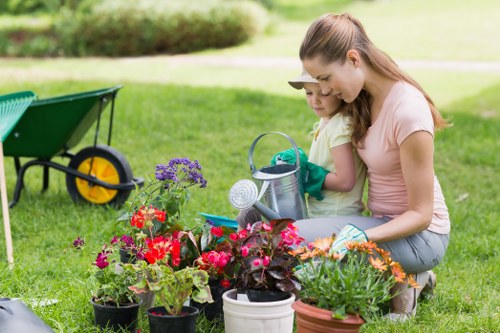
Once the main work is complete, finishing touches make the difference between a garden that has merely been cut back and one that looks properly maintained. These final details can include tidying edges, clearing leftover material from paths and borders, checking that trimmed areas have a clean finish and making sure the overall appearance is balanced. Small corrections matter, especially where the garden has a clear layout or where each section is visible from the house.
Ongoing upkeep is often easier when the garden is left in a manageable state after each visit. That may mean keeping growth within an agreed shape, dealing with recurring weed pressure, or returning at sensible intervals before the work becomes more demanding. Routine care is usually less disruptive than an occasional major tidy-up, and it helps the garden hold its structure through the seasons. The right pattern depends on how fast the space changes and how much detail you want to retain.
When you are ready to plan the work, it is best to keep the request simple and specific. Mention the main service you need, the condition of the garden, and any features that should stay in place. If you want to request a quotation, that information is enough to begin the conversation in a practical way.