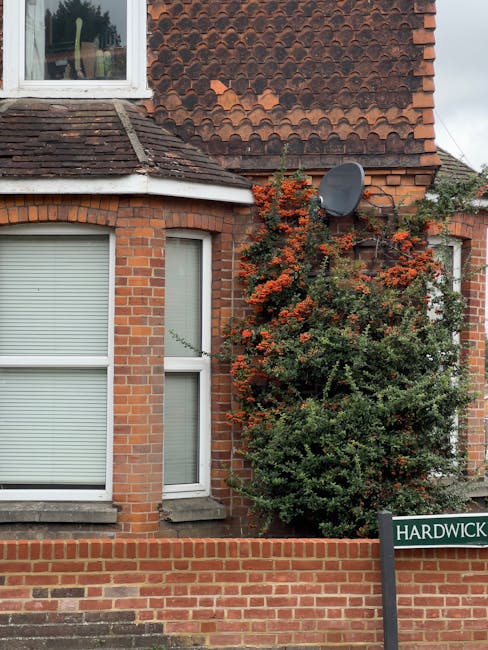
Hidden Charges Gardeners Quote Warnings for Highbury Flats
If you live in a Highbury flat, garden work can look simple on paper and then get messy fast. A quote for mowing, hedge cutting, clearance, or regular upkeep may seem fair at first, only for extras to appear once the gardener has arrived, parked up, or realised the access is tighter than expected. That is exactly why hidden charges gardeners quote warnings for Highbury flats matter. This guide breaks down the warning signs, the most common add-ons, how honest pricing usually works, and how to protect yourself without turning every booking into a detective exercise. To be fair, most issues are avoidable once you know what to ask.
We will cover how quotes are structured, what counts as a legitimate extra, how to compare like-for-like pricing, and which questions help you avoid awkward surprises. You will also find a practical checklist, a comparison table, and a real-world example that feels very close to what many flat owners and landlords in Highbury deal with week after week.
Why Hidden charges gardeners quote warnings for Highbury flats Matters
Flat gardens are rarely straightforward. In Highbury, you may be dealing with shared entrances, basement courtyards, narrow side access, restricted parking, or a communal garden that needs extra care because several people use it. That means a quote is not just about the job itself. It is also about how hard it will be to get the work done.
Hidden charges can show up in lots of small ways: disposal fees, extra labour for access, stair carry charges, parking costs, minimum call-out charges, and add-ons for overgrown plots. On their own, none of these are outrageous. The problem is when they are not explained early. You think you have agreed one price, then the final invoice tells a different story. Nobody enjoys that. Not the resident, not the landlord, and certainly not the gardener trying to defend a vague estimate.
For flat owners, the stakes are practical as well as financial. A missed hedge trim can affect neighbours. A badly cleared communal patch can become a complaint. And if you are arranging work on behalf of a leasehold property, the quote may need to be clear enough for a managing agent or committee too. That is where clarity saves time, money, and, honestly, a lot of slightly awkward emails.
Practical takeaway: a good gardening quote for a Highbury flat should explain the base price, the likely extras, what triggers them, and who approves them before work continues.
If you want a sense of how a professional service frames scope and pricing more openly, it is worth looking at pricing and quotes alongside the wider services overview. Clear information at the start is usually the best warning sign that hidden charges are less likely later.
How Hidden charges gardeners quote warnings for Highbury flats Works
Let's look at the mechanics. A gardening quote is usually built from a few basic parts: labour time, materials if needed, waste removal, access difficulty, and any special equipment. In a flat setting, access often changes everything. A job that looks like a one-hour tidy from the street may take much longer once the team has carried tools through a communal hallway, navigated a locked gate, or dealt with bags of clippings that cannot be left on-site.
Where problems start is when some of those factors are assumed rather than stated. A gardener might quote a clean flat rate for hedge trimming, only to later add a charge because the hedge was taller than described. Or they may give a garden clearance estimate that excludes the cost of green waste disposal. Sometimes the quote is technically "correct," but only because the important bits were quietly left out. That is the bit to watch.
In our experience, the best quotes are descriptive rather than flashy. They tell you what is included, what is excluded, and what has been assessed from photos or a site visit. If the price is based on pictures, the professional should say so. If they need to re-check once on site, that should be part of the process, not a surprise. Simple, really. Well, simple in theory.
For example, a quote for lawn mowing in a private flat garden might be straightforward if there is direct access and no waste removal. But once the grass is long, the path is narrow, and there is no outdoor bin space, the real cost may be different. That does not automatically mean the gardener is being unfair. It just means the quote must reflect reality.
Key Benefits and Practical Advantages
Spotting hidden charge risks early gives you more than a cleaner invoice. It changes the whole experience of booking garden work.
- Better budgeting: you can plan for the real cost instead of the headline price only.
- Less stress: no one likes renegotiating once the work has started.
- Fewer disputes: especially useful for landlords, tenants, and managing agents.
- Better comparisons: you can compare quotes on equal terms rather than comparing apples with pears.
- More trust: transparent pricing usually signals a more professional operator.
There is also a softer benefit that people often overlook. When a quote is clear, the work itself feels easier to approve. You do not need to second-guess whether the gardener is padding the bill. That peace of mind matters, especially if you are arranging maintenance for a property you do not live in full time.
If the work involves more than a quick tidy, you may also want to compare services that fit the condition of the garden. A one-off clearance is different from ongoing upkeep. The right match can reduce future extras. Pages such as garden maintenance and garden clearance can help you think through the difference between regular visits and a one-off reset.
Who This Is For and When It Makes Sense
This topic matters to more people than you might expect. It is not just for homeowners. It is for anyone arranging garden work where the layout is compact, shared, or a bit awkward, which in flats is fairly common.
- Flat owners who want fair pricing for their private outdoor space.
- Tenants who may need to keep a garden tidy without overpaying.
- Landlords who want reliable upkeep between tenancies.
- Managing agents responsible for communal garden areas.
- Leaseholders who need quotes that can be approved and shared clearly.
It makes sense to be especially careful if the job is overgrown, urgent, seasonal, or access-restricted. Spring and early summer are busy times, and gardeners are often booked tightly. In that rush, a vague quote can slip through because everybody wants the job done quickly. That is exactly when hidden extras are most likely to creep in.
A quick example: you might need hedge trimming before a tenant moves out. If the hedge is on a balcony or in a rear courtyard with no direct vehicle access, the quote should mention carry distance, waste bagging, and any difficulty in collecting cuttings. If none of that is discussed, ask. A calm five-minute conversation now can save a rather irritating invoice later.
Step-by-Step Guidance
If you want to avoid hidden charges, use a simple process before you agree to anything.
- Describe the garden properly. Give honest details about size, access, condition, and any shared areas.
- Send photos or arrange a visit. Pictures help, but they should not replace a proper assessment where the job is complex.
- Ask what is included. Labour, waste removal, equipment, travel, parking, and VAT if relevant should all be clear.
- Ask what could increase the cost. This is the big one. Look for access issues, overgrowth, extra waste, or repeat visits.
- Get it in writing. A text message, email, or quote document is better than a verbal hand wave.
- Confirm approval rules. If someone else is paying, make sure they have the same price breakdown.
- Check payment terms. Understand when payment is due and what happens if the scope changes.
A neat habit is to ask for a quote in two parts: the base job and the possible extras. That way you can see the ceiling more clearly. For instance, "hedge trim up to a normal residential height" is very different from "hedge trim including ladder work and disposal." One is a tidy line item. The other is where the quote can suddenly grow legs.
If you are booking a service that also involves larger garden materials or structural work, it can help to read about landscaping or landscape gardening so you understand how labour, access, and materials may be priced differently from a simple maintenance visit.
Expert Tips for Better Results
Here are the habits that make the biggest difference in real life.
- Be specific about access. Mention basement steps, narrow gates, key codes, lift use, and parking limits.
- Ask for disposal wording. "Waste included" is better than "green waste may apply."
- Clarify one-off versus recurring work. A first visit to a neglected garden often costs more than routine maintenance.
- Check whether the quote is fixed or estimated. Those are not the same thing.
- Keep photos dated. If the garden changes between quote and visit, you have a useful reference point.
- Listen for careful wording. A good pro will say "subject to inspection" when needed, not pretend every job is identical.
One useful trick: ask, "What is the most likely reason this price would change?" It is such a simple question, but it often gets you the honest answer quickly. And if the answer is vague, that is helpful too. Vague answers are a warning sign in themselves.
If your flat has trees, boundary growth, or overhanging branches, be extra cautious. Tree work can involve more equipment, more risk, and more disposal. You may want to review tree lopping and removal before agreeing to any quote that looks oddly cheap.
Common Mistakes to Avoid
Most surprise charges happen because of avoidable misunderstandings. Nothing dramatic. Just ordinary oversights that snowball.
- Only comparing the lowest number. The cheapest quote may exclude removal or access time.
- Not mentioning communal access rules. Shared entrances, neighbours, and key arrangements can affect labour time.
- Assuming waste disposal is included. It often is not unless clearly stated.
- Forgetting parking or waiting constraints. In busy parts of London, this can matter more than people think.
- Accepting verbal promises only. Nice in conversation, weak in a dispute.
- Not checking the scope after the first visit. A second look can change the pricing picture.
One more thing. Don't let embarrassment stop you from asking practical questions. People sometimes feel awkward saying, "Can you break that down?" or "What exactly counts as extra?" But that is just sensible. You are not being difficult. You are being careful with your money. There is a difference.
Tools, Resources and Recommendations
You do not need fancy systems to stay protected. A few simple tools will do the job.
- Phone photos: take pictures from several angles before asking for a quote.
- Short written brief: note access, garden condition, and what you want done.
- Comparison sheet: compare each quote line by line, not just the total.
- Payment record: keep invoices and quote messages together.
- Property notes: useful if you manage more than one flat or rotate contractors.
If you want to see how a service presents clear policies around transactions and customer confidence, the pages on payment and security, insurance and safety, and health and safety policy are worth a look. They help you judge whether a provider takes the unglamorous but important details seriously.
For longer-term upkeep, it can also be helpful to think about seasonal routines. A recurring booking for lawn mowing or hedge trimming often works out more predictably than repeated ad hoc requests. Less drama. Fewer little shocks.
Law, Compliance, Standards, or Best Practice
On the UK side, the main issue here is not a single special law about hidden gardening fees. It is more about fair trading, clear communication, and meeting the terms agreed between customer and provider. In plain English: if a quote is presented as fixed, it should be fixed unless both sides agree to a change. If it is estimated, that needs to be clear before work starts.
Best practice for both gardeners and clients usually includes:
- clear scope of work
- clear price exclusions
- clear waste disposal terms
- clear access assumptions
- clear approval for any extras before they are carried out
If you are arranging work for a shared building or leasehold property, it is also sensible to keep records of the quote, approval, and any later amendments. That is not bureaucracy for the sake of it. It is just good housekeeping. And in flat settings, paperwork saves friendships.
Where safety or access is involved, be careful with jobs that need ladders, tree work, heavy clearance, or use of powered tools. A professional should be able to explain how they handle risk and equipment safely. If you want a broader sense of company standards, you may also find about us and complaints procedure useful for understanding how a provider handles accountability if something goes wrong.
Options, Methods, or Comparison Table
Not every gardening quote is built the same way. Here is a simple comparison to help you judge what you are being offered.
| Quote type | What it means | Best for | Watch out for |
|---|---|---|---|
| Fixed price | One agreed amount for the defined work | Clear, simple jobs with known access | Hidden exclusions if the scope is too vague |
| Estimated price | A likely total that may change with conditions | Overgrown gardens or uncertain access | Unexpected add-ons if the estimate is loose |
| Hourly rate | You pay for time spent | Flexible, evolving tasks | Costs can rise quickly without a cap |
| Base fee plus extras | Core charge plus items like disposal or parking | Jobs with predictable optional costs | Extras can stack up if poorly explained |
For Highbury flats, a fixed price can be ideal if the garden is small, accessible, and well described. But if the space is awkward or the job is heavily overgrown, a careful estimate may be more honest. The point is not to chase the lowest-looking number. It is to know what you are actually buying.
A practical rule: if two quotes look very different, ask what each one includes before assuming one is overpriced. Sometimes the pricier quote is simply the more complete one. Annoying, yes. But useful.
Case Study or Real-World Example
Imagine a basement flat in Highbury with a modest rear garden: a patch of lawn, a waist-high hedge, and some tired borders. The resident asks for a quote for a seasonal tidy-up. One gardener gives a short message with a single figure. Another breaks it down: mowing, hedge trimming, green waste removal, and an extra note that access is fine but the rear gate is narrow, so bags will need to be carried through the side path.
The first quote looks cheaper. Naturally, that is tempting. But when the day comes, the gardener discovers more waste than expected and says disposal will be extra. They also mention the hedge is taller than usual and need more time than planned. Suddenly the cheap quote does not feel so cheap.
The second quote may have been slightly higher, but the scope was honest from the beginning. No drama, no little surprise at the end. You pay what you expected to pay, and the job gets done without that tired conversation on the doorstep where everyone is being polite but nobody is thrilled. That is the difference clarity makes.
In many cases, regular upkeep would have prevented the bigger clearance fee in the first place. A simple schedule for garden maintenance can reduce overgrowth, keep waste smaller, and make future quotes easier to predict. Not glamorous, but very effective.
Practical Checklist
Use this before you approve any gardener's quote for a Highbury flat.
- Have I described the garden's size and condition accurately?
- Have I mentioned access issues, stairs, gates, parking, and shared areas?
- Does the quote say exactly what is included?
- Does it say whether waste removal is included?
- Have I checked whether the price is fixed, estimated, or hourly?
- Do I know what could trigger an extra cost?
- Is the quote in writing?
- Have I compared it with at least one other quote on the same basis?
- Do I know who approves changes if the work scope expands?
- Have I kept photos or notes for reference?
If you can tick most of those off, you are already ahead of the game. And no, it does not take much longer than accepting the first message that lands in your inbox.
Conclusion
Hidden charges gardeners quote warnings for Highbury flats come down to one simple idea: clarity beats assumption every time. Flat gardens often have access quirks, shared-space rules, or disposal issues that make a quote more complicated than it first appears. Once you know the usual warning signs, you can ask better questions, compare quotes more fairly, and avoid those uncomfortable surprises at the end of the job.
The strongest protection is not being suspicious of everyone. It is being specific. Describe the space well, ask what is included, and make sure any extra costs are explained before work begins. That approach works whether you are booking a one-off clearance, routine trimming, or a longer-term maintenance plan. A bit of careful checking now can save a lot of hassle later. And honestly, it just feels better when the final bill makes sense.
Get a free quote today and see how much you can save.
Frequently Asked Questions
What hidden charges are most common in gardening quotes for flats?
The most common extras are waste removal, parking or waiting time, difficult access, extra labour for overgrown areas, and charges for equipment or ladder work. The key is whether these are explained before the job starts.
How can I tell if a gardener's quote is genuinely fixed?
Look for wording that clearly says what is included and what would count as a change in scope. If the price is only given as a rough figure, ask whether it is fixed or estimated. A proper written quote should make that obvious.
Should waste removal be included in the price?
It should be stated either way. Some gardeners include removal as standard, while others charge separately. If you are comparing quotes, make sure each one treats waste in the same way or the comparison is not fair.
Why are quotes for Highbury flats often more complicated?
Flat gardens often involve shared entrances, narrow access, stairs, parking limits, and communal rules. Those practical details affect labour time and disposal, which is why a quick glance at the garden is sometimes not enough.
Is it rude to ask a gardener what might increase the cost?
Not at all. It is one of the smartest questions you can ask. A professional gardener should be happy to explain likely extras and point out anything that could change the price.
What should I do if extra charges appear after the quote?
Check the original agreement first. If the extra work was not discussed and you did not approve a change in scope, raise it calmly and ask for a breakdown. Good communication usually resolves most issues without fuss.
Are cheap quotes always a warning sign?
Not always, but very low quotes can leave out important items. That is why you need to compare what each quote includes, not just the final number. A more complete quote can be better value in the end.
Should I send photos before asking for a gardening quote?
Yes, photos help a lot, especially for flat gardens with awkward access. A few clear pictures of the space, gate, lawn, hedge, and any waste build-up can reduce misunderstandings right away.
Do I need a separate quote for hedge trimming and lawn mowing?
Sometimes yes, especially if the jobs are priced differently or if one includes waste removal and the other does not. If you want both tasks done, ask for them itemised so you can see where the money is going.
What is the best way to avoid surprise costs on a first visit?
Give a full description, mention access problems, ask about disposal, and get the quote in writing. If the garden is neglected, say so plainly. It is far better to be upfront than to let the price drift upward later.
Do regular garden visits help reduce hidden charges?
Usually, yes. Routine maintenance keeps the space under control, which means less disposal, less labour, and fewer complications. Over time, that tends to make pricing more predictable.
Where can I find more information about how a service handles pricing and policies?
Look for pages that explain pricing structure, payment expectations, insurance, and complaints handling. On a well-run site, those details usually give you a good sense of how seriously the company takes transparency and customer care.